Is My Yard Collapsing? 5 Warning Signs of Sinkholes in Harrisburg & York (and What to Do Next)
Is My Yard Collapsing? 5 Warning Signs of Sinkholes in Harrisburg & York (and What to Do Next)
-2025
If you found this page because your yard looks like it’s “sagging,” a crack appeared out of nowhere, or a door suddenly won’t shut right—take a breath. A lot of homes in Central PA show normal settling over time.
But when you start seeing fast changes outside, especially circular depressions or fresh cracking in the soil, it’s worth paying attention.
This guide is written for homeowners in the Harrisburg–York–Lancaster area who want a clear way to tell:
what’s usually normal,
what’s worth monitoring, and
what’s a call-someone-now situation.
TL;DR (Quick Answer)
Parts of Central Pennsylvania sit on karst-prone ground (areas where carbonate rock like limestone/dolomite can slowly dissolve). If you notice new ground depressions, widening cracks, leaning fence posts, sudden door jamming, or fast drainage changes (especially after storms), treat it seriously. Stay off the area, document changes, and contact the right local professional to evaluate the risk.
Key Takeaways
Speed matters: Changes over days/weeks are more concerning than changes over years.
Outside signs matter: A yard depression + cracking is more serious than a single drywall crack.
Testing beats guessing: Soil and subsurface conditions can vary a lot even from one lot to the next.
What causes sinkholes in parts of Central PA?
In some areas, water can move through soil and into cracks in carbonate bedrock (like limestone). Over long periods, that can create voids below the surface. If the soil above loses support, it can settle—or in some cases, collapse.
Important: Not every depression is a sinkhole, and not every sinkhole collapses dramatically. Many start subtle and slow.
Normal Settling vs. Possible Sinkhole Activity (Quick Comparison)
5 Warning Signs Homeowners Should Not Ignore
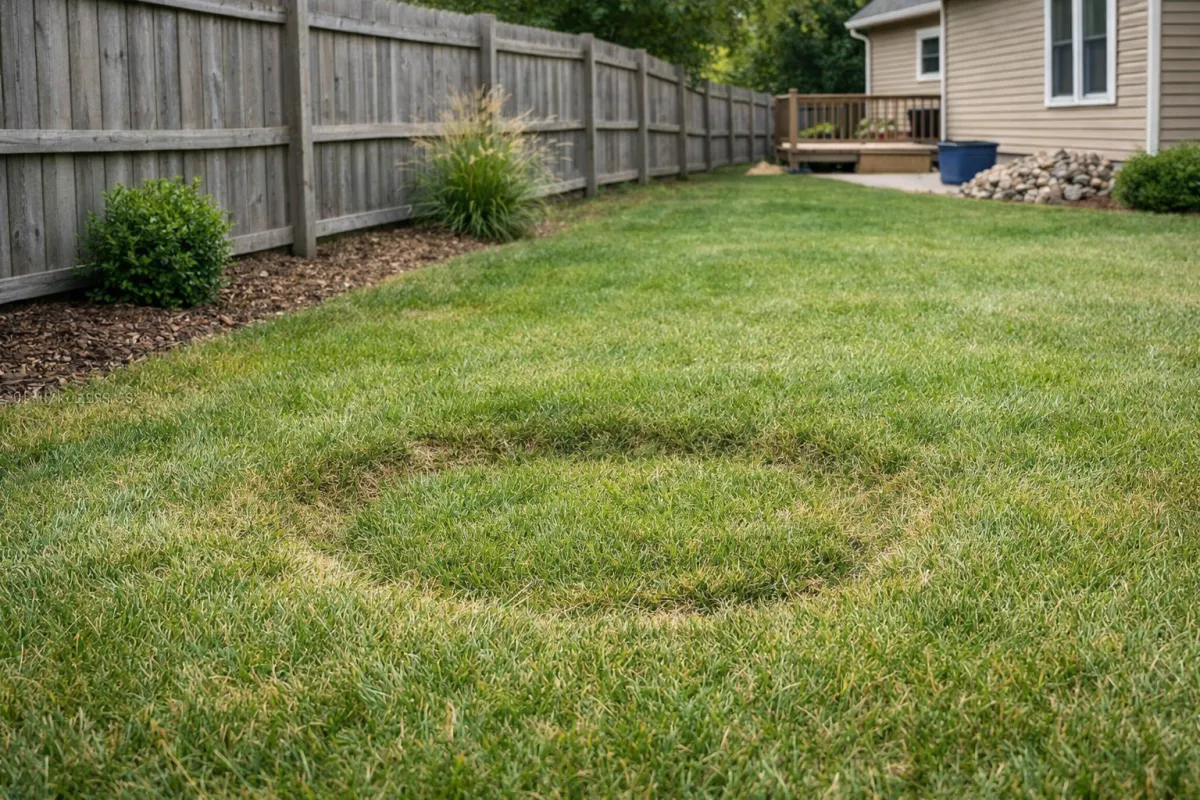
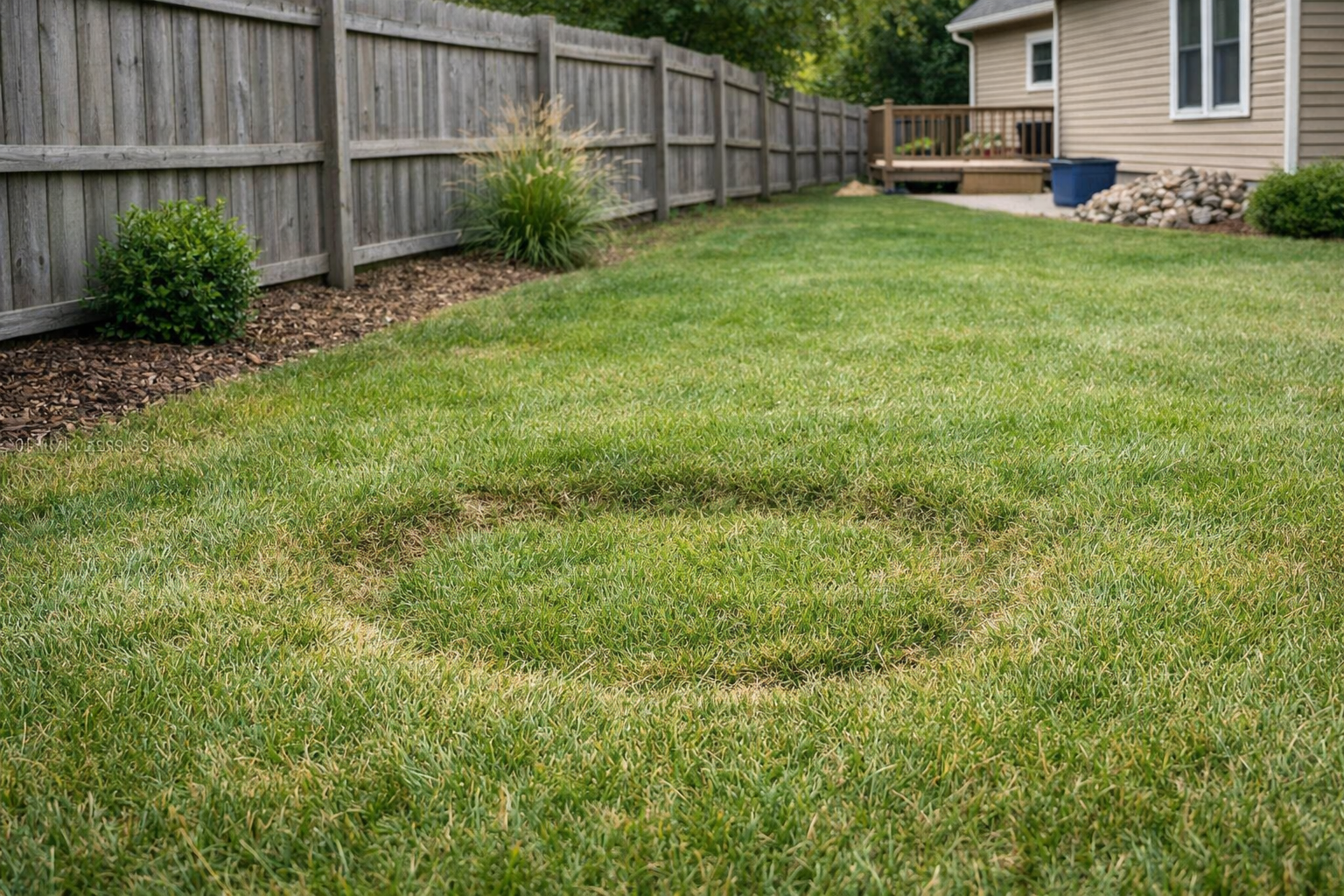
1) A new circular depression (especially if it grows)
What it looks like: A dish-shaped dip in the yard that wasn’t there before—sometimes near downspouts, a tree line, or an old drainage path.
Why it matters: Circular depressions can be a sign the soil is settling into a void below.
What to do today:
Keep kids/pets off the area.
Mark the edge with small flags or landscaping paint.
Take photos from the same angle each day for a week.
2) Fresh cracks in the ground, driveway, or walkway that widen
What it looks like: Soil cracks that open up, pavers pulling apart, or driveway cracks that seem to “separate” more than usual.
Why it matters: Widening cracks can point to active movement.
What to do today:
Put a ruler or coin in your photo for scale.
Write down when you first noticed it (especially if it followed a storm).
3) Fence lines, retaining walls, steps, or patios that start leaning
What it looks like: A fence post that was straight last month now tilts. A retaining wall bows. A patio edge drops or separates.
Why it matters: Exterior structures often show ground movement earlier than interior finishes.
What to do today:
Don’t “reset” posts or re-level pavers yet—you want to understand the cause first.
Photograph alignment changes and measure any gaps.
4) Doors that suddenly jam (not just seasonal sticking)
What it looks like: A door that used to latch easily now scrapes, won’t close, or has a new gap at the top/bottom.
Why it matters: Sudden changes can mean the frame shifted—especially when paired with exterior ground changes.
What to do today:
Note which doors/windows changed and when.
Look outside for matching signs: depressions, cracks, or drainage changes.
5) New ponding water or sudden drainage changes
What it looks like: Water collecting in new areas or a spot that suddenly stays soggy.
Why it matters: Water movement through soil can worsen erosion below the surface in vulnerable areas.
What to do today:
Redirect downspouts away from the suspicious area (temporary extensions help).
Avoid adding extra water near the depression (don’t “test” it by flooding).
If You Suspect Sinkhole Activity: Safest Next Steps
Keep people off the area—especially if the ground feels soft, hollow, or unstable.
Document everything (photos + simple measurements).
Check drainage basics: gutters, downspouts, grading, sump discharge.
Call the right professional, depending on what you’re seeing:
Geotechnical engineer (best for subsurface evaluation and recommendations)
Structural engineer (if the house/frame appears to be moving)
Qualified stabilization contractor (usually after an engineer’s direction)
If there’s sudden collapse or immediate danger, contact local emergency services.
What NOT to do (Common Mistakes)
Don’t fill a suspicious depression with soil and “forget it.”
Don’t run heavy equipment over the area.
Don’t aggressively regrade or add large amounts of water.
Don’t rely on a neighbor’s results as a diagnosis—lots can behave very differently.
FAQ
Is every yard depression a sinkhole?
No. Some depressions come from soil compaction, decayed roots, buried debris, poor grading, or drainage issues. The key is shape + location + how fast it changes.
Can sinkholes show up after heavy rain?
They can. Storms can change water movement through soil and reveal weak areas.
How do I know the difference between settlement and sinkhole movement?
Settlement is typically slow and localized. Sinkhole-related movement often includes ground surface changes (depressions, soil cracks) and can progress faster.
Should I tell my insurance company?
If you’re seeing active changes, document everything and review your policy language. Coverage varies widely.
Next Step (Simple Plan)
If you’re seeing any of the warning signs above:
Step 1: Document the change (photos + measurements).
Step 2: Check drainage and water discharge.
Step 3: Get the right evaluation so you’re not guessing.
Need help figuring out what you’re seeing?
Add your call-to-action here (examples):
“Schedule an inspection consultation”
“Request a property risk walk-through”
“Send photos for a quick triage call”
